Address
124 Tellico Port Rd, Vonore, TN 37885
Work Hours
- Monday – Friday: 8:00 AM – 5:00 PM
- Saturday: 9:00 AM – 3:00 PM
- (GMT-05:00) Eastern Standard Time
Address
124 Tellico Port Rd, Vonore, TN 37885
Work Hours
Address
124 Tellico Port Rd, Vonore, TN 37885
Work Hours
Address
124 Tellico Port Rd, Vonore, TN 37885
Work Hours
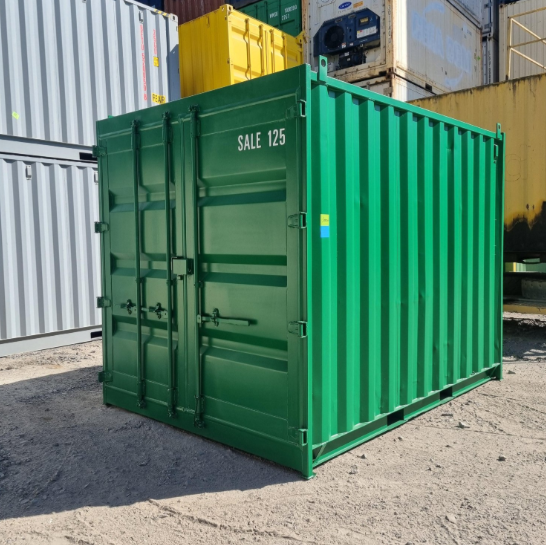
Quick Verdict: When evaluating a 10ft vs 20ft shipping container, choose a ten-foot unit if ground footprint or tight site delivery access strictly limits your placement area. Choose a twenty-foot unit if your property can accommodate the larger footprint and your intended inventory requires walk-in layout options or extra floor run. Neither size is a universal winner; confirm exact unit specifications, transport eligibility, and current delivered quotes before deciding.
Suppose you are standing on your jobsite or driveway looking at a staked-out storage footprint. Your 10ft vs 20ft shipping container decision comes down to practical site clearance, delivered freight quotes, and internal layout rather than exterior length alone.
Buyers sometimes assume that smaller dimensions automatically translate into simple logistics and half the price. In practice, evaluating a 10-foot vs 20-foot shipping container requires balancing physical boundary lines, practical retrieval needs, and exact equipment documentation.
Exterior footprint and interior usable volume serve two completely different practical purposes. While a twenty-foot unit requires roughly double the ground length of a ten-footer, how you pack and retrieve items determines actual daily usability in a 10ft vs 20ft shipping container comparison.
In a compact ten-foot unit, storing materials two or three rows deep can restrict access to goods placed against the back wall. Depending on what you store, retrieving items from the rear may require clearing out the front. A twenty-foot unit can provide extra floor run to arrange a central walk-in path or side shelving, provided the items and interior layout support it.
Manufacturing configurations also vary across suppliers. Published resources like the Falcon Structures 10ft dimension example illustrate sample compact external and internal geometry, but manufacturer dimensions should not be taken as universal specifications. Furthermore, specific inventory items have distinct physical characteristics. For example, ContainerSupCon’s listed 10ft GP is cut down from a 20ft unit and designated exclusively for static on-site storage. That static-storage specification applies directly to that unit rather than to all ten-foot containers in the market.
Delivery access often determines which container size can physically reach your designated pad. Even if a smaller box fits your planned location, delivery vehicles require adequate approach clearances and vertical space to unload safely. Always have your transport provider confirm site access requirements for the actual delivery method.
Industry guides such as the Alconet container size reference illustrate standard fleet exterior dimensions and internal capacities, but general reference charts cannot verify private road turns or gate clearances. When weighing 10ft vs 20ft containers, inspect overhead power lines, low tree branches, and ground stability along the entire truck route.
If physical lot boundaries or local property setbacks leave no room for a twenty-foot box, a 10-foot vs 20-foot shipping container evaluation clearly favors the more compact footprint.
A smaller container does not establish a proportionately cheaper delivered price. When planning a 10ft vs 20ft shipping container purchase, assuming a ten-foot unit will automatically save substantial money compared to a larger box is a common budget mistake.
Ask suppliers for separate line items detailing the exact unit, condition grade, any requested modifications, and final delivery charges. To evaluate true value for a 10ft vs 20ft shipping container, compare quotes that cover the same destination zip code and identical delivery scope rather than assuming fixed percentage savings.
How you plan to use the container is critical when weighing a 10ft vs 20ft shipping container. Placing a unit permanently on solid ground differs completely from loading cargo and hauling it over the road or between job locations.
Never assume that either container size automatically carries transport approval; both options require verified documentation matching your planned use. For dimensional background and standard exterior runs, review our 20ft shipping container dimensions guide before committing to a layout. If your workflow involves commercial freight hauling, confirm load ratings and transit eligibility directly on the specific unit before purchasing.
Certain compact units, such as ContainerSupCon’s listed 10ft GP, are cut down and designated solely for static ground storage. Clarify transport eligibility early in your 10-foot vs 20-foot shipping container assessment so you do not order a static unit when intermodal transit is required.
Assess your operational timeline and how often you will enter the box. When selecting a 10ft vs 20ft shipping container, consider retrieval frequency alongside physical volume.
If you visit the container regularly to retrieve tools or equipment, a twenty-foot unit can permit shelving and clear walking lanes if properly arranged. When comparing 10ft vs 20ft containers for infrequent storage or archives, dense packing inside a ten-foot container may satisfy your operational requirements. For broader planning context, explore our overview on shipping container cost and check delivery site criteria in our delivery guide.
A 10ft container fits compact equipment, boxed tools, and materials suited to its interior length and width. In a 10ft vs 20ft shipping container comparison, check your longest items against each unit’s actual internal measurements, as longer items like large pipes or extended building materials may not fit. Always measure your largest items against the unit interior specifications before ordering.
A 10ft unit is not automatically more expensive, nor is a smaller container automatically proportionately cheaper. In a 10-foot vs 20-foot shipping container evaluation, pricing reflects the specific unit build, market availability, condition, and local drop-off requirements. To judge true value, compare current itemized quotes for the particular configuration, condition, and delivery scope rather than estimating from container size alone.
Choosing the right 10ft vs 20ft shipping container comes down to measuring your clearance, clarifying transport requirements, and reviewing delivered quotes. Review our current stock of 10 foot containers or examine our 20 foot containers. For static ground storage in tight areas, review our 10ft gp shipping container specifications and contact our team for a delivered quote tailored to your location.