Address
124 Tellico Port Rd, Vonore, TN 37885
Work Hours
- Monday – Friday: 8:00 AM – 5:00 PM
- Saturday: 9:00 AM – 3:00 PM
- (GMT-05:00) Eastern Standard Time
Address
124 Tellico Port Rd, Vonore, TN 37885
Work Hours
Address
124 Tellico Port Rd, Vonore, TN 37885
Work Hours
Address
124 Tellico Port Rd, Vonore, TN 37885
Work Hours
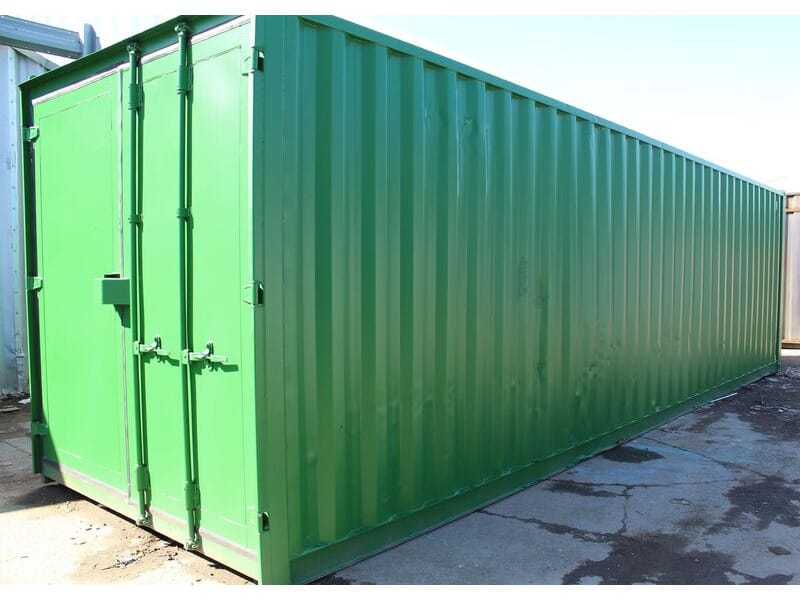
When evaluating shipping containers for sale Stockton CA, buyers often focus first on exterior dimensions and purchase quotes. Imagine selecting a steel storage unit for a Stockton property, scheduling truck transport, and discovering only after arrival that parcel zoning prohibits the planned placement. Reviewing municipal standards, parcel jurisdiction, and site conditions beforehand helps identify unresolved planning and access issues before committing funds.
Whether you need temporary job-site storage during active construction or supplemental secure space on an industrial yard, managing the acquisition process requires systematic verification. Here are four practical checks to complete before ordering a shipping container.
Before purchasing a shipping container, verify whether your property sits within the incorporated City of Stockton or within unincorporated San Joaquin County. Municipal codes apply within city boundaries, whereas county planning regulations govern parcels outside municipal limits. Assuming city rules apply countywide can lead to conflicting regulatory assumptions.
Contact the relevant planning authority directly to confirm which standards govern your parcel, and record your proposed timeframe and use. Land-use rules frequently distinguish between short-term temporary placement tied to active permits and long-term accessory placement. Establishing parcel jurisdiction and operational duration provides the baseline for all subsequent approvals.
Under Stockton containerized storage rules (Municipal Code Section 16.36.045), standards govern unmodified stackable metal shipping containers exceeding 120 square feet used as detached accessory storage without permanent attachment to the ground. In residential zoning districts, permanent placement is prohibited, and temporary placement is permitted only for storing construction materials on the same site under an active building permit. In commercial zoning districts, permanent placement is prohibited, while temporary placement may be allowed subject to an approved temporary activity permit. In industrial zoning districts, temporary and permanent accessory storage are permitted, provided the installation satisfies primary structure development standards, including screening from public rights-of-way and off-street parking requirements. Units with structural modifications or permanent foundation attachment are subject to applicable building, development, and municipal code review requirements. Property owners must contact the Stockton Community Development Department to determine how these standards apply to their specific parcel and intended use.
Once storage feasibility is established for your parcel, evaluate available unit configurations against your operational footprint. Buyers exploring small shipping containers for sale Stockton CA often look for compact placement options, though choosing a smaller footprint does not exempt an accessory structure from local zoning oversight. Review exterior and interior specifications in our reference guide to 10ft container dimensions.
When selecting unit condition, rely on verified documentation rather than generalized grade labels. Take these practical evaluation steps before purchase:
Suppliers may bill transport fees as separate line items or combine them into delivered totals. For broad context across container sizes and conditions, consult our container cost guide before finalizing purchase specifications.
Standard delivery terms require dry, stable, and reasonably level ground for offloading a shipping container. Placing heavy equipment on unstable or steeply sloped terrain creates operational hazards and can compromise level positioning.
Buyers often ask whether an engineered concrete slab is mandatory for a shipping container. No universal foundation rule applies to every placement. Base support requirements depend on ground soil stability, total cargo weight, intended placement duration, and local building code standards. Request written base and support specifications from your supplier and a qualified local site professional, and confirm applicable site approvals with local building officials before delivery. In addition, ensure the delivery route provides adequate straight-line clearance, overhead height, and turning clearance for the carrier’s truck and trailer to safely drop the equipment.
Use this evaluation matrix to document essential project details before placing a deposit or scheduling transport:
| Worksheet Item | Evaluation Factor | Action Step |
|---|---|---|
| Jurisdiction | Incorporated Stockton vs. unincorporated San Joaquin County | Verify parcel tax records and official zoning boundaries |
| Zoning District | Residential, commercial, or industrial classification | Review permitted accessory storage uses for the parcel |
| Duration and Use | Temporary project storage vs. long-term placement | Identify required permits (such as active building or temporary activity permits) |
| Structural Modifications | Standard cargo box vs. modified or plumbed unit | Confirm applicable building and development code review pathways |
| Planning Verification | Agency interpretation of parcel eligibility | Obtain written confirmation from local planning staff before ordering |
| Foundation and Base | Proposed use, total load, and ground bearing conditions | Obtain written foundation requirements from supplier and site engineer before buying |
| Carrier Access | Road width, overhead clearance, and turning radius | Review delivery path against carrier drop-off terms |
| Quote Scope | Condition grade, size, and freight terms | Confirm final invoice details all equipment and offloading provisions |
No universal average price applies to a 20 ft shipping container because total costs depend on current condition grade, regional inventory supplies, and carrier transit distance. Rather than relying on broad regional estimates, request an itemized quote detailing unit condition, exact dimensions, delivery address, and carrier offloading inclusions.
Whether you need a concrete slab for a shipping container depends on your proposed storage use, site soil stability, total equipment load, placement duration, and municipal building code requirements. Do not assume a concrete slab is universally required or universally optional. Ask your supplier and a qualified site professional to provide written foundation specifications for your specific installation, and consult local building authorities to confirm required site permits before buying.
You can source shipping containers through commercial container suppliers that coordinate freight delivery directly to your property. When reviewing providers, verify equipment condition records, review written inspection descriptions, and confirm carrier site access guidelines prior to placing an order.
Container Supcon accepts shipping container delivery orders to Stockton, CA. Delivery fulfillment is confirmed on an order-by-order basis, subject to exact site address, equipment availability, carrier access feasibility, and current order terms.
Before purchasing a shipping container, verify your parcel eligibility with local planning authorities and confirm site ground readiness. To explore unit sizes and configurations, browse our inventory to compare available options, or contact our team to request an address-specific quote tailored to your Stockton site.