Address
124 Tellico Port Rd, Vonore, TN 37885
Work Hours
- Monday – Friday: 8:00 AM – 5:00 PM
- Saturday: 9:00 AM – 3:00 PM
- (GMT-05:00) Eastern Standard Time
Address
124 Tellico Port Rd, Vonore, TN 37885
Work Hours
Address
124 Tellico Port Rd, Vonore, TN 37885
Work Hours
Address
124 Tellico Port Rd, Vonore, TN 37885
Work Hours
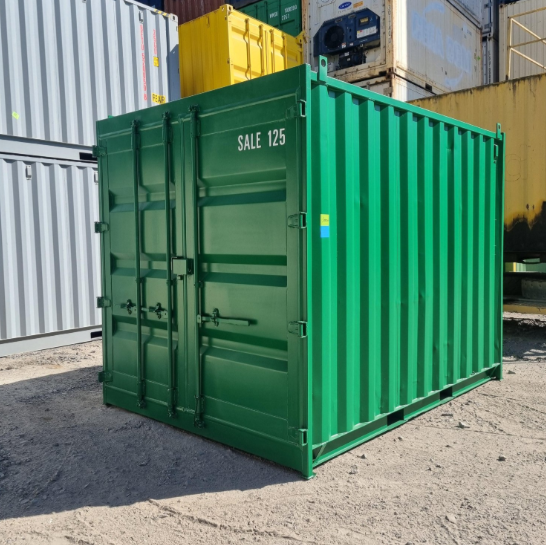
Quick Answer: A conex box is a familiar commercial term commonly used for a steel shipping or storage container. The name originated as an abbreviation for Container Express. Today, people use conex box, cargo container, and intermodal container interchangeably. However, the label alone does not confirm an individual unit’s dimensions, physical condition, or transport eligibility. Before choosing any container, confirm the specific unit’s intended use, exact measurements, physical state, and total delivered price.
Imagine comparing two equipment listings for your property: one seller advertises a twenty-foot shipping container, while another lists a heavy-duty conex box. It is natural to wonder whether that conex box features heavier construction, specialized corner fittings, or dedicated cargo ratings that an ordinary container lacks. Relying solely on the label can be misleading, because the name describes a terminology category rather than verified unit condition.
Why do logistics workers and equipment dealers call these units conex boxes? According to the Falcon Structures terminology explanation, “Conex” arose as an abbreviation of Container Express. Over time, commercial terminology broadened, and modern industry usage frequently overlaps the phrase conex box with shipping container and intermodal container. In freight logistics, intermodal refers to cargo movement between ocean vessels, rail lines, and highway trucks without unloading the freight inside.
A common mistake when evaluating any conex box is assuming that every unit bearing the name is suited for every role. An individual container configured strictly for ground-level static storage may have modifications that prevent active transport.
Consider a clear example from current inventory: our 10ft GP static-storage example is specifically described as being cut down from a 20-foot container, with modified corner castings, and is suitable for static storage only. Even though a shopper might describe this item as a 10-foot conex box, its modified structure makes it appropriate only for stationary storage rather than general transport. The name alone never establishes transport capability. When evaluating conex boxes, clearly describe your planned application to the seller and request written confirmation of the unit’s intended-use suitability.
When ordering a conex box, ask the seller for the unit’s exact exterior measurements, interior clearances, and door opening dimensions before finalizing a purchase. Do not assume nominal label sizes match what your stored items or site require.
Consult our guide to container dimensions to compare standard measurements against the equipment or materials you plan to store. Site access also requires direct planning. Review our delivery planning overview, and ask your supplier to check your access route, turning radius, overhead clearances, and drop-off surface before dispatching a container to your property.
The label conex box says nothing about the age, cosmetic wear, or maintenance history of an individual container. Instead of relying on broad descriptions, ask for current, high-resolution photographs of the actual conex box assigned to your order. Practical verification questions to ask include:
Reviewing photographs of the specific unit helps compare what is being offered. Ask follow-up questions if any details are unclear.
Buyers frequently ask: what do conex boxes cost? Because prices vary by unit, location, and freight logistics, no single price figure applies across the market.
To understand how pricing structures work, consult our container cost guide. When evaluating an offer for a conex box, request a current itemized quote for the exact unit and your specific delivery location, detailing the container price, freight charges, unloading fees, and applicable sales tax. Reviewing an itemized quote lets you see what each offer includes and excludes when comparing different options.
The term conex box is convenient shorthand, but making a sound purchase requires verifying actual unit details: confirmed intended use, exact measurements, clear photographs, and an itemized quote. Do not let shorthand terminology replace direct verification.
If you are ready to evaluate available options, you can browse container listings to compare current stock, or check our 20-foot container options for your property.