Address
124 Tellico Port Rd, Vonore, TN 37885
Work Hours
- Monday – Friday: 8:00 AM – 5:00 PM
- Saturday: 9:00 AM – 3:00 PM
- (GMT-05:00) Eastern Standard Time
Address
124 Tellico Port Rd, Vonore, TN 37885
Work Hours
Address
124 Tellico Port Rd, Vonore, TN 37885
Work Hours
Address
124 Tellico Port Rd, Vonore, TN 37885
Work Hours
Compare a shipping container shed with a conventional shed. Plan equipment access, layout, site preparation and costs before choosing storage.
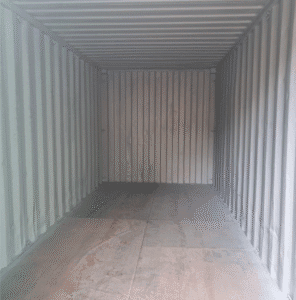
A shipping container shed can make sense when you need a durable storage shell with wide cargo doors. A conventional shed may be the better choice when appearance, a custom footprint or convenient everyday entry matters more. Compare both as finished storage spaces, including access, the base and moisture control.
Imagine opening the garage on Saturday and moving three things just to reach the mower. Another storage building sounds good. But before ordering a steel box, ask a more useful question: will you be able to reach what you need without emptying it first?
| Decision | Shipping container | Conventional shed |
|---|---|---|
| Starting point | An existing shell; inspect condition and doors | A kit, assembled building or custom construction |
| Layout | Long, relatively narrow footprint | More choice of proportions and entry positions |
| Getting it on site | Truck and unloading access are central | Delivery or construction access depends on the system |
| Day-to-day use | Cargo doors suit larger items; plan retrieval lanes | Entry can be selected around your routine |
| Finish | Industrial exterior unless adapted | More material and appearance choices |
| Moisture | Assess seals, condensation and stored moisture | Assess weatherproofing and ventilation of the design |
There is no automatic winner. A steel shell is not a promise of burglary-proof, pest-proof or climate-controlled storage. A shed’s performance likewise depends on its materials, construction and upkeep. Compare the actual options in front of you, including the locks, door hardware and maintenance they will need.
For a mower and long-handled tools, sketch the equipment near the door and place frequently used items along a clear retrieval route. Measure the widest part of the machine, not just its wheel track. Check the threshold and any suitable access solution before purchase; the fact that an item fits inside does not tell you how it will cross the entrance.
For readers planning vehicle parking rather than storage shed aisles, refer to the guide on using a shipping container as a garage to check car fit.
Keep rarely used items farther back and the next season’s supplies near the entrance. Labeling zones on paper costs nothing and can reveal whether a 20ft shipping container shed is enough. Avoid planning every inch as shelving: you still need to turn, carry boxes and inspect the walls.
If stock goes in and out daily, retrieval time may matter more than maximum cubic capacity. Consider door placement and whether a different access configuration would reduce handling. Start with our 20-foot containers; compare the 40-foot options only after checking the site and access route.
First, check placement. Mark the proposed footprint and the door swing. Your boundary, overhead obstructions and truck route can rule out an otherwise attractive choice. Confirm local permission requirements for the intended use and location before buying. Our delivery guide covers the questions to discuss with the delivery team.
Second, plan the support and drainage. A container is not a substitute for a suitable site. Use the foundation guide to organize the site assessment rather than guessing a universal block layout or slab thickness.
Third, match storage conditions to the contents. Dry steel storage and climate-controlled storage are different products. Damp equipment and cardboard can introduce moisture. The EPA’s general moisture guidance emphasizes dealing with water sources and condensation; it is not a container-specific design specification. Our ventilation guide helps separate airflow from actual humidity control.
Build two comparable totals. For the container, include the selected unit, confirmed delivery terms, site work and necessary fit-out. For the shed, include the complete kit or structure, assembly, base and equivalent security or storage features. Use the dated examples in our shipping container cost guide as a starting point, not a promise that one option always costs less.
A bargain loses its appeal if you need major alterations just to use it. Conversely, paying for an elaborate shed finish may add little value when your priority is an uncomplicated equipment store. Choose against the job, not the photograph.
Yes, if the specific unit, site permissions, support, access and internal conditions suit the stored goods. Inspect a used unit’s condition and confirm the requirements for your location before ordering.
Not every storage use calls for insulation. Decide what temperature and moisture conditions the contents need first. For sensitive goods or a conditioned space, compare a complete insulation and moisture-control design rather than buying lining material alone.
Review the actual doors, seals, floor, visible repairs and condition evidence. Ask which defects are cosmetic and which affect your use. A general condition label cannot replace the details of the offered unit.
Ready to reclaim the garage? Compare used 20-foot containers with a new 20ft dry van, then send us your storage list and site details. If you are still weighing possible uses, our 20ft container ideas provide the broader picture.